What Does Usage Mean in Voiceover?
When a voice actor asks about usage, they’re not trying to make things complicated. Usage determines where the recording can run, for how long, and how the quote is calculated.
If you've ever asked for a voiceover quote and gotten a follow-up question about usage, you're not alone. It's one of the most common things that catches clients off guard.
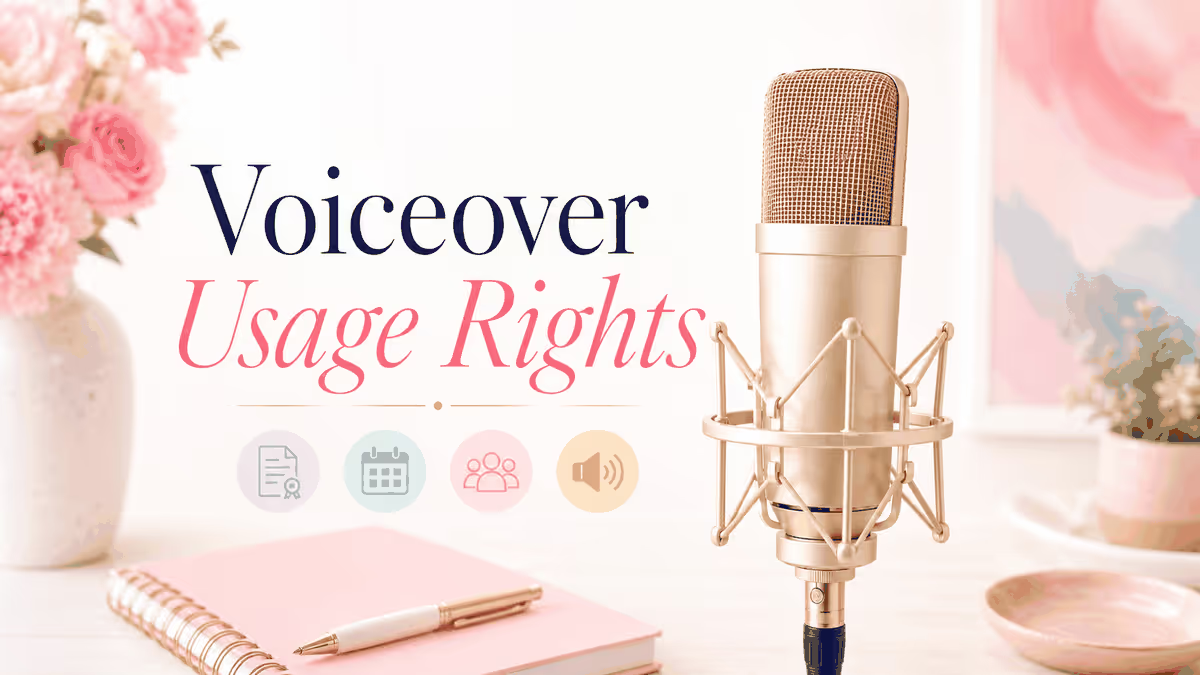
Usage simply means where, how, and for how long the recording will be used.
Usage is about the license
When you hire a voice actor, you're paying for two things: the performance, and the license to use that recording.
The same 30-second script can have a very different value depending on whether it runs in an internal training video, an organic social post, a regional radio spot, or a national ad campaign. Same words, very different reach.
What voice actors are asking
A few details help determine the right quote.
Where will it be heard? TV, radio, paid social, YouTube ads, eLearning, IVR, podcasts, apps, websites, internal corporate use. Each one is a different placement.
How big is the audience? A national campaign and a small internal training module are very different scopes.
How long will it run? Many projects are licensed for a set term, often one year, with the option to renew.
Is paid media involved? Paid ads usually carry a higher rate, because the recording is being used to reach an audience intentionally and repeatedly.
What's a buyout?
A buyout means the client pays once for broader, long-term use of the recording. Buyouts are common for eLearning, corporate narration, explainer videos, and other content with a long shelf life.
They usually cost more upfront, but they keep things simple for projects meant to live for years.
Why it matters
Usage rights keep everyone on the same page before recording begins. You know exactly what you can do with the files, and the voice actor can quote based on the real scope of the work.
You don't need every detail figured out before reaching out. Share what you know, and the rest can be sorted together.
Ready to get a clear quote for your project? Let's connect.