Hiring a Voice Actor
5 min read

How Live-Directed Sessions Work and Why They Help

A live-directed voiceover session lets you give real-time feedback while the recording happens. Here's how it works and why it leads to better results.

Published on
June 4, 2026
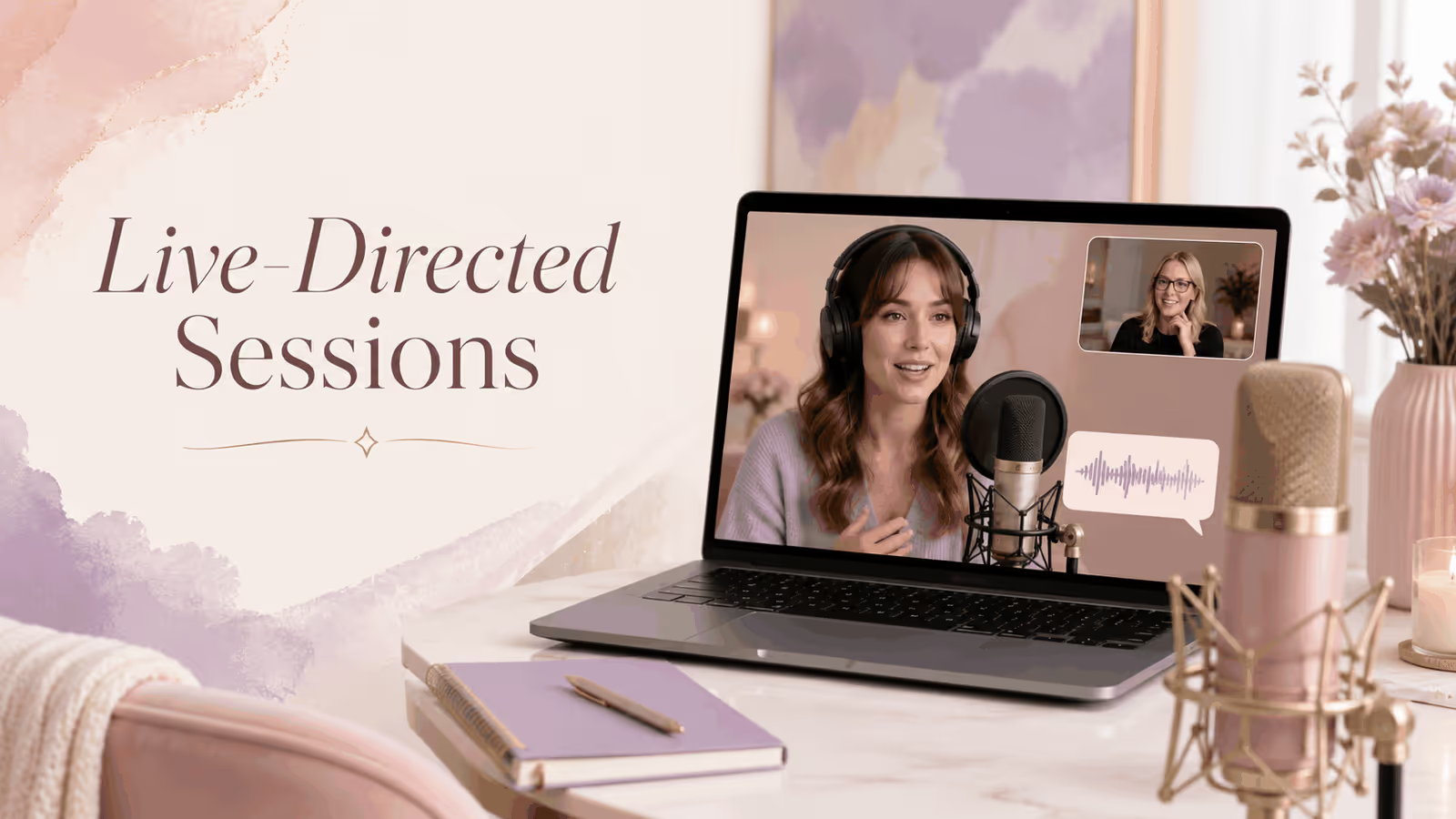
Remote live-directed voiceover session on a laptop with a studio microphone and real-time client feedback

Read More Articles

Voiceover script checklist thumbnail with microphone, pronunciation notes, direction, usage details, deadline, and file format preferences
What to Include in a Voiceover Script Before You Send It
Read Article
Voiceover usage rights blog image with studio microphone, licensing document, calendar, audience, and media icons
What Does Usage Mean in Voiceover?
Read Article
Broadcast quality audio blog image with studio microphone, sound treatment, and waveform editing on a laptop
What Does Broadcast Quality Actually Mean?
Read Article

How Live-Directed Sessions Work and Why They Help

If you've worked with a voice actor before, you may have just sent over a script and waited for the files to come back. That works well for a lot of projects. But there's another option that more clients are taking advantage of, and once you try it, it's hard to go back.

It's called a live-directed session, and it's exactly what it sounds like.

What is a live-directed session?

A live-directed session is a real-time recording where you or someone on your team joins the session remotely and gives direction as the voice actor records. Instead of exchanging notes over email after the fact, you're in the room (virtually) while it happens.

You hear every take as it's recorded. You can ask for a different pace, a warmer tone, more energy on a specific line, or a completely different approach. The voice actor adjusts and records again, right then and there.

It's the closest thing to being in a professional recording studio together without anyone having to get on a plane.

How does it actually work?

Live-directed sessions run through standard video conferencing and remote recording platforms. Common options include Zoom, Microsoft Teams, Google Meet, and Source-Connect.

Here's what a typical session looks like:

Before the session: You share the script, any notes on tone or direction, and a link is sent for the call. That's usually all the prep involved.

During the session: You join the call, the voice actor shares their audio in real time, and recording begins. You listen to takes as they happen and give direction just like you would in a studio. Most sessions move quickly once you're rolling.

After the session: The files are edited and delivered, typically the same day or next day depending on the length of the project.

The whole process is designed to be simple on your end. You show up, listen, and give feedback. The technical side is handled.

Why is this better than just sending notes over email?

It is not always better. For shorter projects with clear direction, a standard turnaround works great. But for anything where the performance really matters, live direction has some real advantages.

You get exactly what you need. Instead of describing a tone adjustment in an email and hoping it translates, you can just say it out loud and hear the result in seconds. "Can you make that last line feel a little more like you're wrapping up a conversation?" is a lot easier to communicate live than in writing.

It cuts down on revision rounds. Most clients who use live-directed sessions find they need fewer revisions afterward because the adjustments happen in real time. You leave the session with files you're already happy with.

It's genuinely collaborative. Some of the best takes come out of a back-and-forth during the session. When a client is engaged and giving real direction, the voice actor has more to work with. The final product usually reflects that.

It works well for complex projects. Long-form narration, character work, e-learning courses with a specific instructional tone, and anything where consistency across multiple files matters tends to benefit a lot from live direction.

Who is it a good fit for?

Live-directed sessions work well for a wide range of clients, including:

  • Production companies who want creative control over the performance
  • Brand and marketing teams with a specific tone of voice to maintain
  • E-learning developers who need consistent pacing and clarity across a full course
  • Anyone who has ever received a voiceover delivery and thought "this is close, but not quite right"

If you have a clear vision for how the final product should sound and you want to be part of making that happen, live direction is worth considering.

Ready to try it?

Live-directed sessions are available via Zoom, Microsoft Teams, Google Meet, and Source-Connect. If you have a project coming up and want to explore whether a live session makes sense for it, let's talk.

Request a Voiceover Quote

Have a project in mind? I'd love to help bring your script to life with a voice that connects.

Vanessa Osborne, conversational U.S. female voice actor