Voiceover Basics
4 min read

What Does Broadcast Quality Actually Mean?

Broadcast quality is one of the most used phrases in voiceover and one of the least explained. Here's what it actually means and what to listen for when hiring.

Published on
June 4, 2026
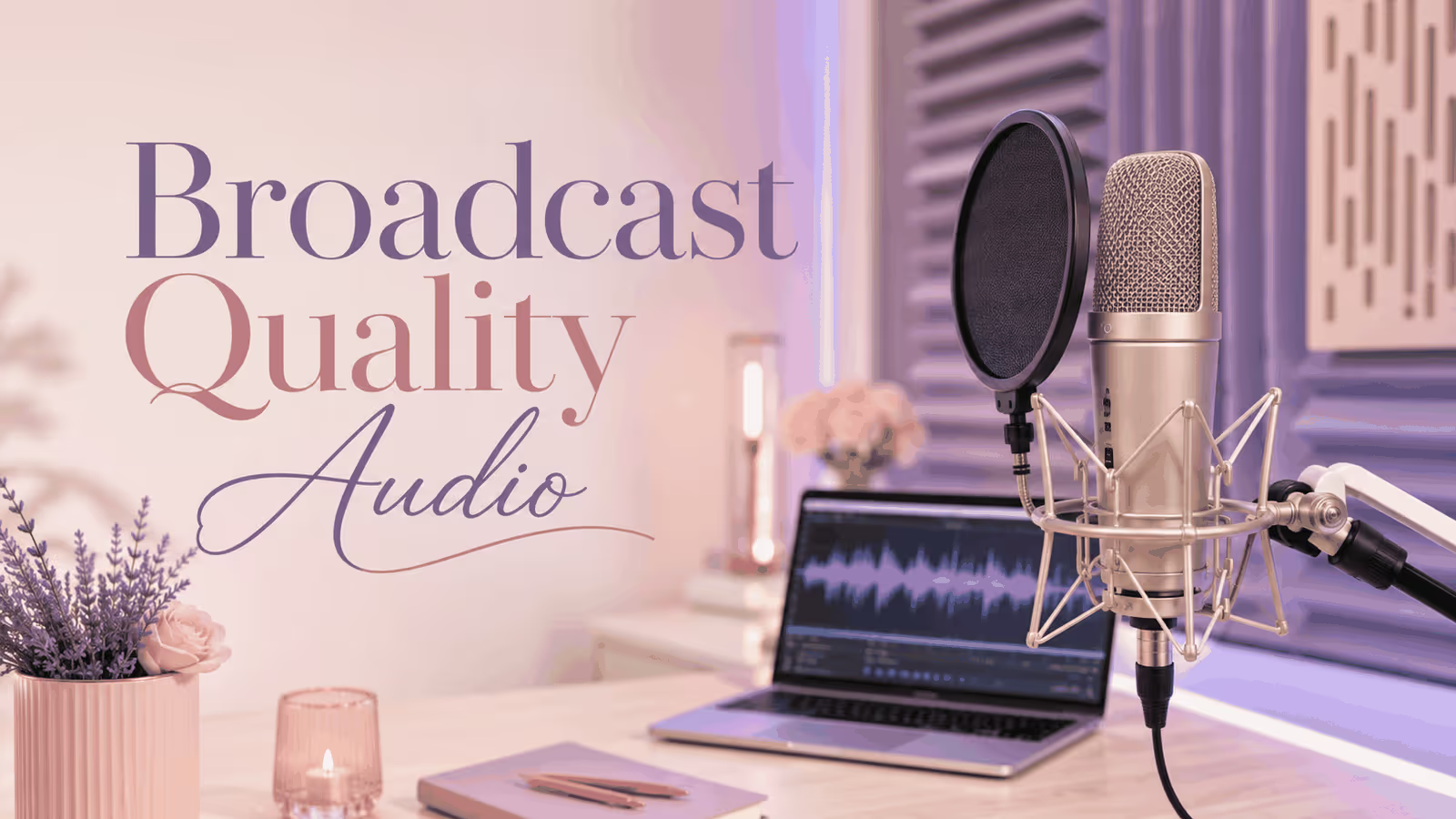
Broadcast quality voiceover studio setup with microphone, acoustic treatment, headphones, and audio waveform editing

Read More Articles

Voiceover script checklist thumbnail with microphone, pronunciation notes, direction, usage details, deadline, and file format preferences
What to Include in a Voiceover Script Before You Send It
Read Article
Voiceover usage rights blog image with studio microphone, licensing document, calendar, audience, and media icons
What Does Usage Mean in Voiceover?
Read Article
Live-directed voiceover session with client video call, audio waveform, and professional recording setup
How Live-Directed Sessions Work and Why They Help
Read Article

What Does Broadcast Quality Actually Mean?

You've probably seen the phrase "broadcast quality audio" in a voice actor's profile or a production brief. It gets used a lot. But what does it actually mean, and how do you know if what you're getting actually meets that standard?

Here's a plain-language breakdown.

Where the term comes from

Broadcast quality originally referred to the audio standard required by television and radio networks. Those platforms have strict technical requirements for the recordings they air. If a voiceover didn't meet those specs, it simply wouldn't get approved for broadcast.

Over time the phrase became shorthand for professional-grade audio across the board, not just TV and radio. Today it's used to describe any recording that sounds clean, clear, and polished enough for professional use, whether that's a national commercial, a corporate training video, a podcast ad, or a phone system.

What it actually means technically

Broadcast quality audio comes down to a few key things working together.

A treated recording space. The room itself matters as much as the equipment. A professionally treated space eliminates echo, reverb, and the ambient noise that makes a recording sound like it was captured in a bathroom or a living room. This is usually the biggest difference between a professional voice actor's home studio and someone just recording on their laptop.

A quality microphone and audio interface. Professional voiceover work uses condenser or shotgun microphones paired with a dedicated audio interface rather than a built-in computer mic or a consumer headset. The recording chain affects the clarity and warmth of the final audio in ways that can't fully be fixed in post-production.

A clean noise floor. This refers to the level of background noise in a recording when nothing is being said. Broadcast quality audio has a very low noise floor, meaning the silence between words is actually silent. No hiss, no hum, no air conditioning in the background.

Proper editing and processing. After recording, broadcast quality audio is edited, cleaned, and processed to meet the technical specs of the platform it's going to. That includes things like removing mouth noise, normalizing levels, and applying any required formatting for the end use.

What it means for you as a client

When a voice actor says they deliver broadcast quality audio, it means the files they send you are ready to use. You should be able to drop them directly into your project, your platform, or your broadcast without needing to fix the audio on your end.

It also means the recording will hold up wherever it ends up. Broadcast quality audio sounds professional whether it's playing through a high-end speaker system, a laptop, a phone, or a TV. It doesn't fall apart when the listening environment changes.

What it does not mean is that every broadcast quality recording sounds identical. The technical standards are consistent. The voice, tone, and style are still specific to the individual voice actor.

How to know if a voice actor actually delivers it

The most reliable way to assess audio quality is to listen to their demos. Broadcast quality audio sounds noticeably different from amateur recordings. It's clear, warm, and present without any distracting background noise or room sound.

A few things to listen for:

  • Is the silence between words actually quiet, or is there hiss or hum underneath?
  • Does the voice sound close and clear, or a little distant and roomy?
  • Is the overall level consistent, or does it fluctuate?

If the demos sound polished and clean across the board, the studio setup is likely doing its job. If something sounds off in the demo, it will almost certainly sound off in your project too.

The bottom line

Broadcast quality is not just a marketing phrase. It describes a real technical standard that affects whether your voiceover works in the real world. When you hire a voice actor who delivers it, you're getting files that are production-ready, professionally recorded, and built to perform wherever your project ends up.

If you have a project coming up and want to hear what broadcast quality sounds like in practice, take a listen to my demos or get in touch to talk through what you need.

Request a Voiceover Quote

Have a project in mind? I'd love to help bring your script to life with a voice that connects.

Vanessa Osborne, conversational U.S. female voice actor