Why Your IVR Voice Matters More Than You Think
Your phone system is part of your brand experience, whether you’ve thought about it or not. Here’s why a clear, professional IVR voice makes callers feel more confident before they ever reach your team.
Brands put real thought into how they look. The logo, the website, the colors, the social presence, the whole package. Then a customer calls and gets greeted by a flat, robotic phone voice that sounds nothing like the rest of the brand.
That moment matters more than most people realize.
What is IVR?
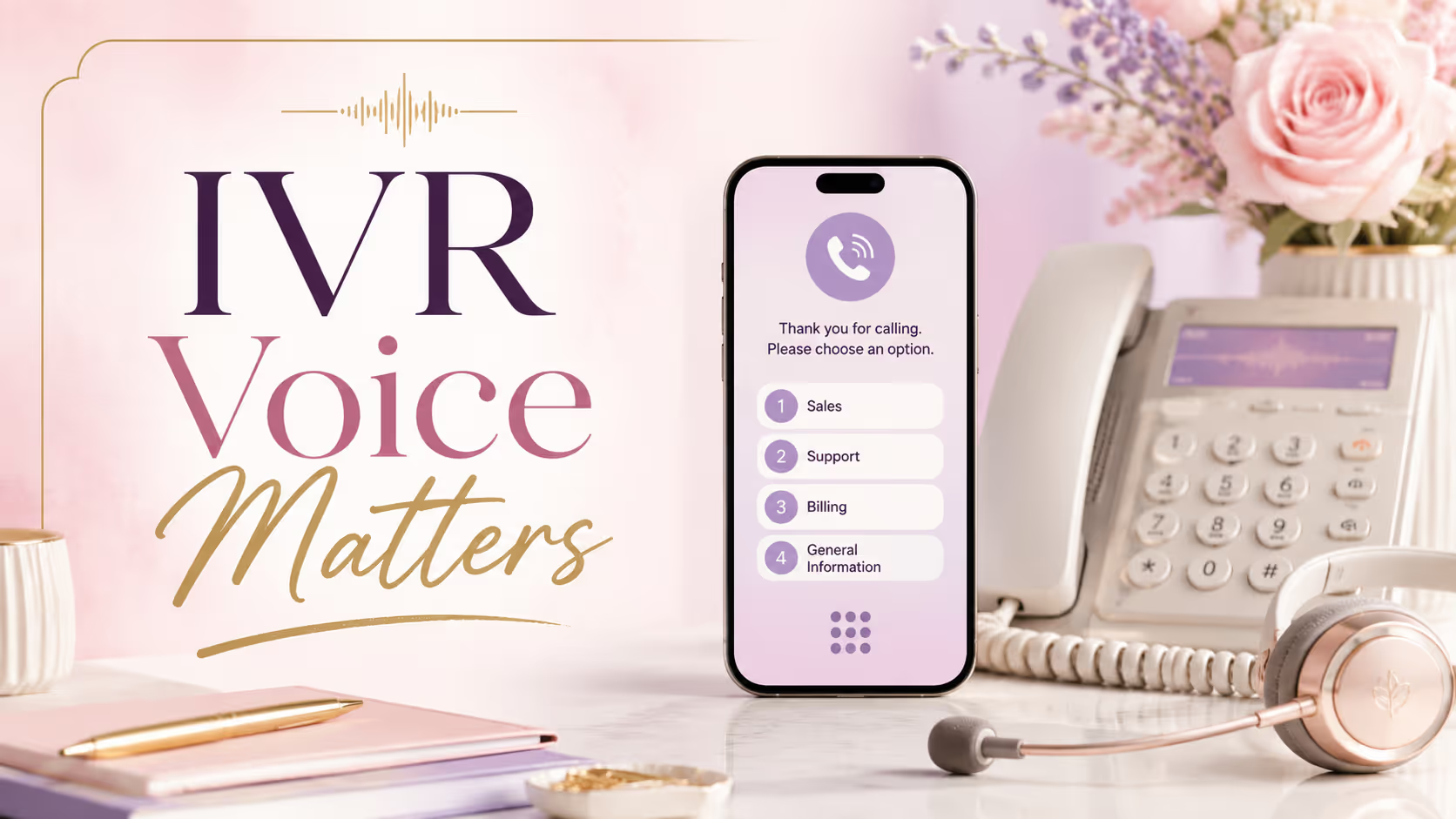
IVR stands for Interactive Voice Response. It's the automated system that answers when someone calls your business, routes them to the right department, and walks them through the menu options.
For many businesses, it's one of the very first direct interactions a customer has after deciding to reach out. Which makes it a strange thing to leave as an afterthought.
Your phone system is part of your brand
Think about calling a company and hearing a warm, clear, professional greeting. You probably don't think about it at all, because it just works.
Now think about calling somewhere and hearing a mispronounced company name, awkward pacing, or audio that sounds like it was recorded next to a dishwasher.
That second experience creates friction before anyone has even said hello.
What a bad IVR can cost
A low-quality phone system can leave callers frustrated, confused, or quietly less confident in your business.
Unclear audio, unnatural pacing, and inconsistent prompts lead people to hang up, call back, pick the wrong option, or reach your team already annoyed. None of those are great starting points for a conversation.
For healthcare, service businesses, education, financial services, and any brand with heavy customer support, that first impression carries real weight.
What makes a good IVR voice?
Clarity comes first. Callers need to understand the prompt the first time, even on a weak connection or in a noisy parking lot.
Warmth matters too, in the right dose. A good IVR voice is calm, approachable, and easy to follow, without trying to be anyone's best friend.
Consistency rounds it out. A professional voice actor records every prompt with the same tone, pace, and energy, so the system feels cohesive from the main greeting to the hold message.
A small investment that works for years
Most businesses don't redo their IVR recordings every few weeks. Once they're in place, they tend to stay there for years.
That makes professional IVR voiceover one of the quieter bargains in branding: a modest one-time investment in how your business sounds every single time someone calls.
If your system needs a refresh or you're setting one up from scratch and want it to sound as polished as everything else you've built, take a listen to my demos or get in touch. Happy to talk through what you need.